Less is more
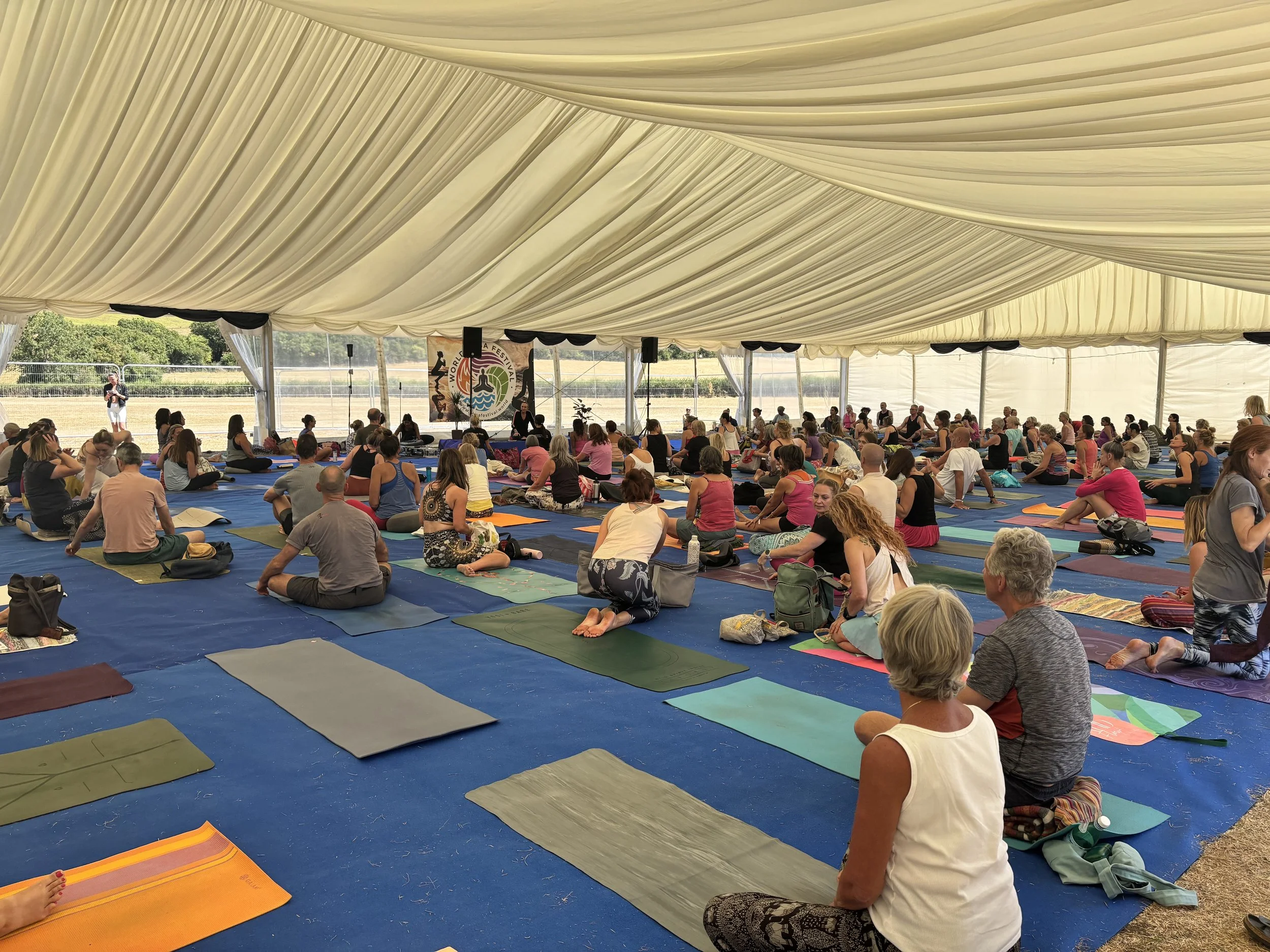
One of my biggest lessons from the World Yoga Festival came from an Iyengar class. We practised only a handful of shapes, holding each one far longer than I’m used to. At the time I remember thinking, “Have we actually done very much?” Yet afterwards my body felt incredible.
That stuck with me. We live in a culture that equates value with volume: more shapes, more intensity, more effort. We want efficient workouts, measurable progress and the quick fix that fits into a packed schedule. Those aims are valid. But the Iyengar lesson was a reminder that efficiency and depth are not opposites.
I noticed that holding the shape for longer gave me these benefits:
It builds specificity. Staying in a single position let me find subtle alignment cues, notice where I should tension (shoulders & jaw) make small adjustments.
It fostered a different kind of strength. Endurance in a shape isn’t just muscular, it’s neural. The nervous system learns new patterns, which can reduce injury risk and improve movement economy in sport and daily life.
It invites presence. Longer holds give the mind space to quiet habitual reactions, bracing, rushing, striving, and replace them with steady attention. That calm focus translates directly to better concentration under pressure.
For the busy person, that might seem impractical and feel uncomfortable and frustrating: who has time to linger for five minutes in a single asana? But the point isn’t to make every practice slow or long. It’s about inserting pockets of depth, a few longer holds within an efficient session, so your body and nervous system have time to respond and adapt.
I’ve weaved this into my practice, slowing down my warm up and including a couple of intentionally long holds at the end, woven into an otherwise dynamic class. The goal is pragmatic: better movement, greater resilience and more lasting results with less frantic effort.
I’m reflecting on this off the mat too. In work and life I default to “more”; more tasks, more meetings, more doing. What if progress sometimes asks for less doing and more noticing? Slowing down doesn’t mean slowing ambition. It means investing time for the body and mind to integrate, recover and perform better when it matters.
If you’re short on time, try this in your next practice: pick two shapes relevant to your priorities (hip opening, shoulder mobility, or a core-stability posture), hold each for 2–5 minutes with gentle attention to breath and alignment, and observe the difference. You might find that less rush actually gives you more space.
Stretch your limits. Live with vitality. Resilience, recovery and results don’t always come from doing more; sometimes they come from giving your body the time to respond.